Brown Rat
rattus norvegicus
Basic Overview
The Brown Rat, also known as the Norway Rat or Common Rat, is the most widespread rat species in the UK and one of the most adaptable mammals on the planet. Originally thought to have arrived in Britain in the early 1700s, it has since established itself in almost every type of environment—from busy city centres and residential neighbourhoods to farmland, riverbanks and coastal areas.
Brown Rats breed rapidly, can survive on a wide range of foods, and are capable of living in close proximity to humans without being easily detected. Their ability to burrow, climb and swim makes them highly successful at finding shelter in buildings, drains, compost heaps, sheds and even inside wall cavities.
Because they live so closely alongside people, Brown Rats pose several risks. They can carry and spread diseases such as Leptospirosis, Salmonella and Weil’s disease, contaminate stored foods, and leave trails of droppings and urine that create hygiene hazards. Their constant gnawing can also cause serious structural damage—chewing through electrical wiring, pipes, insulation and wooden fixtures. For these reasons, early identification and effective control are crucial in preventing small rat activity from developing into a full infestation.
Identification and Characteristics
Physical Appearance
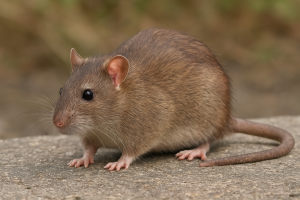
Body Length: Typically 20–27 cm, though some individuals can appear larger due to their stocky build.
Tail: Shorter than the body length, thick, scaly and pale underneath.
Fur Colour: A mix of brown, grey and reddish tones with a lighter, off-white or grey belly.
Head Shape: A blunt, rounded muzzle with small eyes and relatively small, hair-covered ears.
Feet: Pale pink with strong claws, suited for digging and gripping.
Whiskers: Long, highly sensitive vibrissae used for navigation in tight or dark spaces.
Droppings
Shape: Spindle-shaped with tapered ends.
Size: Around 15–20 mm long.
Location: Often found in clusters along walls, behind appliances, in cupboards or near food sources.
Tracks & Smudge Marks
Grease marks along runways (caused by natural oils in their fur rubbing against surfaces).
Footprints and tail swipes in dusty or muddy areas, especially in garages, basements and outbuildings.
Key Characteristics
Brown Rats have evolved to thrive in human environments. Some of their defining characteristics include:
1. Strong Burrowers
They are exceptional diggers, creating:
Complex underground burrow systems
Entrances near sheds, decking, compost heaps or water sources
Tunnel networks that can undermine patios, fences or foundations
2. Excellent Swimmers
Brown Rats are powerful swimmers and are often found:
In drainage systems
Near rivers, ponds and canals
Emerging from damaged drains or toilets
3. Fast Breeders
Females can produce up to 6 litters per year
Litters range from 6–12 pups
Young become sexually mature in as little as 10–12 weeks
This rapid reproduction is why small rat activity can escalate into full infestations quickly.
4. Highly Intelligent
Brown Rats demonstrate:
Strong learning and problem-solving skills
Ability to avoid unfamiliar objects (neophobia)
Quick adaptation to traps and baiting systems
5. Omnivorous Diet
They will eat almost anything, including:
Grains, cereals and stored foods
Bird seed and pet food
Fruit, vegetables and leftovers
Meat, insects and food waste
Their dietary flexibility helps them survive in diverse environments.
Behaviour
Nocturnal Patterns
Brown Rats are most active at night, though hungry or disturbed populations may become active during the day. Nocturnal behaviour helps them avoid predators and human contact.
Territorial Living
They live in social groups with well-defined territories. Dominant individuals will claim the safest nesting areas and best access to food sources, while younger or weaker rats are pushed to the outskirts.
Runway Habits
Rats often follow consistent “runways” — the same paths between nesting sites, food and water. These routes may become visible through:
Worn grass
Grease marks on walls
Repeated tracks in vegetation
Communication
Brown Rats communicate using:
High-frequency vocalisations (usually inaudible to humans)
Scent marking
Body language such as grooming, boxing or mounting to establish hierarchy
Common Shelter & Nesting Sites
Burrows in soil
Loft insulation
Hidden voids under sheds, decking or floorboards
Compost heaps or refuse piles
Gaps behind kitchen units or appliances
Nesting materials often include shredded paper, fabric, insulation and soft debris.
Cautious but Curious
Neophobia — hesitation around new objects
Opportunistic exploration — especially for new food sources
Habituation — once they recognise an area is safe, they move confidently and frequently
This combination can make them challenging to control.
Life Stages
The Brown Rat has a fast and efficient life cycle, allowing populations to grow quickly if conditions are favourable.
1. Gestation
Lasts 21–23 days
Females can produce up to 6 litters per year
Breeding happens year-round, peaking in spring and autumn
2. Newborn (Pups)
Born blind, hairless and fully dependent on the mother
Litter size: Typically 6–12 pups
Remain safely hidden in a warm, lined nest
3. Juveniles (2–3 Weeks)
Eyes open at around 14 days
Fur develops and they begin exploring the nest
Start trying small amounts of solid food
4. Weaning (3–4 Weeks)
Transition from milk to solid food
Begin leaving the nest more frequently
Rapid growth and improved mobility
5. Sub-adults (5–10 Weeks)
Fully mobile and learning to forage independently
Establishing their place within the colony
May begin searching for new nesting areas
6. Sexual Maturity (10–12 Weeks)
Both males and females can breed at this stage
Early maturity contributes to rapid population growth
7. Adults
Typical lifespan in the wild: 9–12 months
Maintain established feeding routes and social hierarchies
Responsible for most visible signs of infestation
Impact
✅ Positive Impacts
While Brown Rats are widely regarded as pests, they do play some ecological and environmental roles:
1. Part of the Food Chain
Brown Rats are a key prey species for several UK predators, including:
Foxes
Birds of prey (buzzards, owls, kestrels)
Stoats and weasels
Domestic and feral cats
Their presence helps sustain wildlife populations that rely on rodents for food.
2. Natural Waste Consumers
Rats help break down and consume organic waste such as:
Fallen fruit
Discarded food
Animal carcasses
This can reduce the amount of decomposing material in certain environments, supporting nutrient cycling.
3. Soil Aeration Through Burrowing
Their tunnelling behaviour can increase soil aeration in some natural areas, similar to rabbits and other burrowing animals (though this is not beneficial in built environments).
4. Indicators of Environmental Issues
Large rat populations often highlight:
Poor waste management
Inadequate sanitation
Structural defects in buildings
This can prompt improvements in public health measures.
❌ Negative Impacts
Brown Rats are considered one of the most problematic pest species in the UK due to their economic, environmental and health impacts.
1. Spread of Disease
They can carry or transmit diseases including:
Leptospirosis (Weil’s disease)
Salmonella
Hantavirus
E. coli
Transmission can occur through rat urine, droppings, contaminated water, or contact with surfaces and food.
2. Damage to Buildings and Infrastructure
Rats must gnaw continually to wear down their teeth, leading to:
Chewed electrical wiring (fire risk)
Damaged pipework
Structural damage to wood, insulation and plastic
Undermining of patios, sheds and foundations through burrowing
3. Food Contamination and Waste
Rats can contaminate:
Stored foods
Animal feed
Waste storage areas
Both in homes and commercial food settings, this can result in significant economic loss.
4. Agricultural Impact
Brown Rats can cause issues on farms by:
Eating grain and feed
Damaging crops
Contaminating livestock food stores
Spreading disease to animals (e.g., leptospirosis in cattle)
5. Ecological Impact on Native Species
Rat populations can threaten wildlife by:
Predating on eggs and chicks of ground-nesting birds
Reducing populations of small mammals and amphibians
Competing with some native species for resources
6. Rapid Reproduction and Population Growth
Their ability to breed year-round with large litters makes it easy for infestations to grow and spread, especially in urban and agricultural areas.
Removal and Control
Effective Brown Rat control relies on early detection, strong proofing measures and targeted removal methods. Because Brown Rats breed quickly and adapt easily to human environments, acting fast is essential to prevent a small rat problem evolving into a full infestation.
1. Inspect and Confirm Brown Rat Activity
Before beginning any removal plan, identify the main signs of a rat infestation. Look for:
Large, dark rat droppings
Gnaw marks on wood, wiring or pipes
Grease smears along walls and skirting
Burrows around sheds, decking or compost bins
Scratching or scurrying noises in lofts, walls or floor voids
A correct identification helps determine where rats are entering, nesting and feeding.
2. Rat Proofing: Blocking Access and Entry Points
Proofing is one of the most effective long-term solutions for Brown Rat prevention.
Seal Access Points
Rats can squeeze through tiny gaps, so seal all holes larger than 6 mm using:
Metal mesh or steel wool
Concrete or cement
Metal plates or rodent-proof covers
Pay special attention to:
Pipe penetrations
Airbricks and vents
Cracks in brickwork
Damaged doors or floor gaps
Broken drains and external pipework
Flyscreens as Supportive Prevention
While rats rarely enter through windows, flyscreens help prevent access when windows or doors are left open—especially in kitchens or ground-floor rooms—providing an added layer of protection when combined with proper rat proofing.
Secure Food and Waste
Reducing food sources is key.
Store food in sealed containers
Keep bins tightly closed
Clear outdoor food sources such as leftover birdseed or fallen fruit
Feed pets indoors
This makes your property far less attractive to rats.
3. Habitat Management to Discourage Rats
Modify outdoor areas to remove shelter and reduce nesting spots.
Trim vegetation and keep grass short
Remove clutter, rubbish and wood piles
Lift sheds or decking if possible
Store firewood raised off the ground
Clean areas around compost heaps and bins
A tidy environment dramatically reduces rat activity.
4. Trapping for Brown Rat Removal
Trapping is an effective, poison-free form of rat control.
Best Trap Types
Snap traps – quick and reliable
Electronic traps – humane and efficient
Live-catch traps – require consistent checking and correct handling
Trapping Tips
Place traps along rat runways and walls
Bait with peanut butter, chocolate spread or cereal
Wear gloves to reduce human scent
Secure traps so larger rats cannot drag them away
For best results, combine trapping with thorough proofing.
5. Rodenticides (Best Used Professionally)
Poison baits can control larger infestations, but they must be used safely and legally.
Why Professional Use Is Recommended
Reduces risk to pets and wildlife
Ensures correct bait placement
Avoids sub-lethal dosing and bait shyness
Uses regulated products designed for effective rat control
DIY rodenticide use often leads to incomplete control or accidental harm.
6. Professional Pest Control for Brown Rats
Professional pest controllers may be needed when:
Rats are nesting inside the property
There is structural damage
DIY methods have failed
The infestation is significant or persistent
Professionals can perform detailed surveys, use licensed rodenticides, and create long-term prevention strategies.
7. Ongoing Monitoring and Prevention
After removal, continue monitoring your property to prevent rats returning.
Inspect previous entry points regularly
Check for new droppings or burrows
Maintain outdoor hygiene
Keep food and waste securely stored
Continue proofing and housekeeping measures
Consistent monitoring ensures long-term rat prevention and helps maintain a rat-free environment.
Although Brown Rats usually enter homes through gaps, damaged vents, drains, or structural openings, flyscreens can still help reduce opportunities for them to access indoor spaces—especially in warmer months when windows and doors are left open. While flyscreens do not stop rats from entering through other routes, they can remove one potential access point.
✅ How Flyscreens Can Help
Prevent entry through open windows and doors
Flyscreens create a physical barrier that stops rats from climbing or squeezing through open windows, reducing the chances of them accessing kitchens, pantries or living areas.
Reduce attraction to indoor food sources
By blocking entry points, flyscreens minimise opportunities for rats to reach food odours coming from properties—helping discourage exploratory behaviour.
Support wider proofing measures
Screens work alongside other structural proofing such as sealing holes, securing vents, and maintaining tidy outdoor spaces, forming part of an overall prevention plan.
❌ However, flyscreens alone will not stop a rat infestation
Flyscreens cannot prevent:
Rats entering through gaps, pipes, drains, vents or damaged brickwork
Rats accessing lofts, basements or wall cavities
Activity from rats already nesting within the building or around the property
Because rats are strong climbers and gnawers, controlling access requires a full building assessment.
For long-term rat prevention, combine flyscreens with good proofing practices:
Seal all holes, cracks and gaps larger than 6 mm
Install rodent-proof mesh on vents, drains and airbricks
Keep food items sealed and reduce accessible rubbish outdoors
Maintain tidy gardens by removing dense vegetation and debris
Regularly check sheds, garages and outbuildings for signs of entry
If you require professional help, head to the British Pest Control Association to find a local pest controller near you.
Explore the range of solutions we have available to help you prevent and manage pest problems effectively. Whether you’re dealing with ants, rodents, or other common household pests, our practical advice and proven treatments can help you protect your home and maintain a cleaner, healthier environment.