Cluster Flies
pollenia rudis
Basic Overview
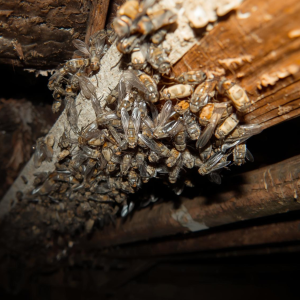
The cluster fly, scientifically known as Pollenia rudis, is a common fly species in the UK, often found in homes, lofts, attics, and other sheltered spaces. Unlike houseflies, cluster flies do not feed on human food; instead, their larvae develop inside earthworms. Adults are sluggish and are most noticeable when they gather in large numbers, especially during the autumn and winter months, seeking warmth to hibernate indoors.
Cluster flies can survive in close proximity to humans without causing direct harm, but their presence can be a nuisance. They tend to cluster near windows, in roof spaces, or inside wall voids, and may leave marks if crushed. While they do not spread disease like rats or houseflies, their sheer numbers can be disruptive, and their activity can be mistaken for more serious infestations. For this reason, identifying their entry points and taking preventive measures, such as sealing gaps and using flyscreens, is important in keeping homes free from these persistent visitors.
Identification and Characteristics
Physical Appearance
Slightly larger than common houseflies, around 7–10 mm in length
Dark grey body with fine golden or yellowish hairs on the thorax, giving a fuzzy appearance
Smoky grey, slightly iridescent wings
Relatively large eyes
Dark legs adapted for clinging to walls and surfaces
Signs of Presence
Gather in large numbers, especially in autumn and winter
Commonly found in attics, lofts, wall voids, and around windows
Do not leave hazardous droppings, but may leave small marks or stains if crushed
Repeated clustering in the same spots makes presence noticeable
Key Characteristics
Slow-moving and relatively inactive compared with houseflies
Larvae develop inside earthworms before emerging as adults
Seek warmth indoors to hibernate during cooler months
Do not chew, gnaw, or contaminate food; nuisance rather than threat
Large indoor clusters can be persistent; entry prevention is important
Behaviour
Prefer resting in hidden, warm locations indoors
Slow and cumbersome in flight, often crawl on window frames or walls
Do not form social hierarchies or defend territories
Large numbers may return to the same spaces year after year
Briefly fly when disturbed, then return to resting sites
Early identification and sealing of entry points help reduce infestations
Life Stages
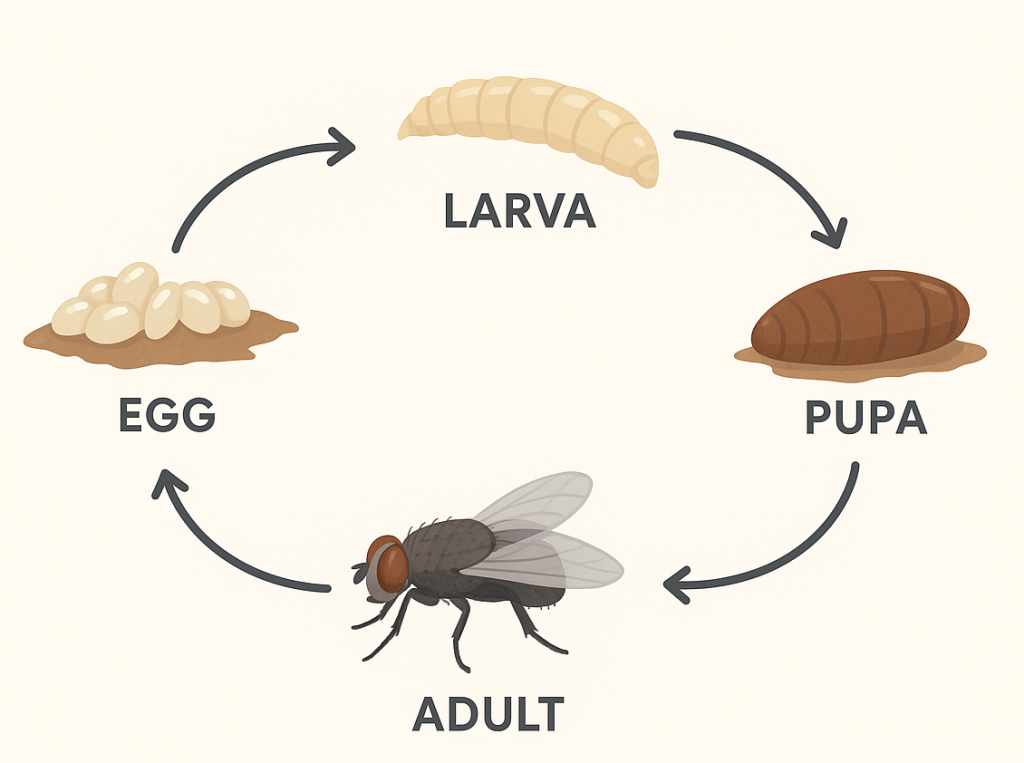
Egg – Female cluster flies lay eggs in soil near areas where earthworms are active. Each female can lay hundreds of tiny, white eggs.
Larva – Once hatched, the larvae (maggots) are parasitic and burrow into earthworms. They feed on the host for several weeks, developing inside the worm’s body.
Pupa – After completing their larval development, they leave the host and pupate in the soil. The pupal stage lasts about 2–3 weeks, during which the adult fly forms inside.
Adult – Adults emerge from the pupae, usually in late summer. They are sluggish, hairy flies that seek warmth to hibernate indoors during autumn and winter. Adults can live several months, often returning to the same buildings year after year.
Positive Impacts
Beneficial to soil ecosystems: Their larvae parasitise earthworms but do not significantly harm worm populations; instead, they form part of the natural soil-dwelling insect community.
Do not pose health risks: Cluster flies do not spread disease, do not breed in human food, and do not bite or sting.
Low contamination risk: Unlike houseflies, they are not attracted to waste, kitchens, or food sources, making them less of a hygiene concern.
Part of natural biodiversity: They contribute to the ecological balance by participating in decomposition cycles and serving as prey for birds, spiders, and other predators.
Negative Impacts
Indoor nuisance: They gather in large numbers inside lofts, attics, and wall voids during autumn and winter, causing frustration for homeowners.
Recurrent infestations: Cluster flies often return to the same buildings year after year, making management an ongoing issue.
Visible clustering: They tend to gather around windows on warm days, appearing sluggish and unsightly.
Mess from dead flies: Large overwintering groups can leave behind dead flies, which may attract secondary pests like carpet beetles.
Odour when crushed: They may release a faint, unpleasant smell when squashed, and can leave small marks on surfaces.
Difficult to fully exclude: They exploit tiny gaps in roofs, vents, or soffits, making total prevention challenging without thorough proofing.
Removal and Control
Controlling cluster flies can be challenging because they gather in large numbers and return to the same buildings each year. Effective cluster fly removal focuses on reducing entry points, treating resting areas, and preventing future overwintering. Because they do not breed indoors, the aim is to block access and eliminate the flies already present.
1. Identify Entry Points
Cluster flies often enter homes through:
Gaps in roof tiles or fascia boards
Cracks around windows, vents and soffits
Openings in loft spaces or wall cavities
Sealing these areas helps reduce the number of flies entering in autumn.
2. Improve Proofing and Ventilation
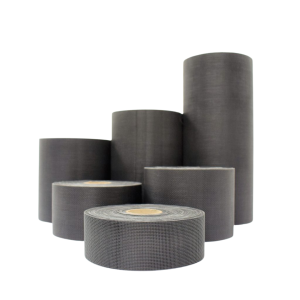
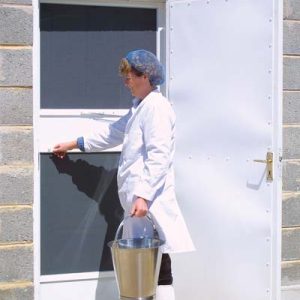
Fit fine-mesh flyscreens on windows, loft vents and frequently opened doors.
Use sealant or expanding foam to fill gaps around pipework, beams and rooflines.
Ensure attic spaces are well ventilated so they’re less attractive as overwintering sites.
3. Vacuum or Remove Visible Flies
Cluster flies are slow and easy to remove manually.
Use a vacuum to clear live or dead flies from window frames, lofts or wall edges.
Dispose of vacuum contents immediately to avoid odours or secondary pests.
4. Use Professional-Grade Treatments
For persistent or large infestations:
Residual insecticide sprays can be applied to loft timbers, window frames and roof voids.
ULV fogging or smoke generators can help control large groups in attics.
Treatments are most effective in autumn, before flies settle into deep hibernation.
Always follow product labels or use a qualified pest controller for safe application.
5. Prevent Recurring Infestations
Cluster flies return to the same buildings year after year. Long-term prevention includes:
Installing flyscreens to limit indoor access
Regularly sealing new gaps or cracks
Keeping roof voids clean and free from dead flies
Arranging annual autumn pest control treatments if you live in a high-risk area
6. When to Call a Professional
Seek expert help if:
Large numbers are appearing every year
Flies are entering living areas, not just lofts
You cannot safely access your attic or roofline
DIY measures are no longer effective
Professional services can provide targeted insecticide treatments and identify hidden entry points that are easy to miss.
Although cluster flies typically enter properties through tiny gaps around roofs, vents, soffits and wall joints, flyscreens can still play an important role in reducing the number of flies that make it indoors—especially during autumn when adult flies are searching for warm spaces to overwinter. While flyscreens cannot stop cluster flies from entering through hidden structural openings, they do help remove one of the most common access points: open windows and doors.
✅ How Flyscreens Can Help
Prevent entry through open windows and doors
Flyscreens provide a fine mesh barrier that physically blocks cluster flies from entering living spaces, even when windows are left open for ventilation. This helps reduce the number of adults that settle on window frames or move further inside the home.
Reduce attraction to indoor warmth and light
Cluster flies are strongly drawn to warm environments and illuminated rooms. By screening windows, fewer flies are able to follow heat or light sources into bedrooms, loft hatches, conservatories or other indoor areas.
Support wider proofing measures
Flyscreens work alongside essential structural proofing—such as sealing gaps in rooflines, repairing broken vents, and closing cracks around soffits and fascias—forming part of a broader prevention strategy to limit indoor overwintering.
❌ However, flyscreens alone will not stop a cluster fly infestation
Flyscreens cannot prevent:
Flies entering through roof gaps, soffits, vents or tiny cracks in external walls
Cluster flies gathering inside lofts, attics or wall cavities
Recurring overwintering activity from flies already using the property each year
Because cluster flies can exploit very small openings and often hibernate in inaccessible roof spaces, effective control requires a combination of screening, proofing and, in some cases, professional treatment.
If you require professional help, head to the British Pest Control Association to find a local pest controller near you.
Explore the range of solutions we have available to help you prevent and manage pest problems effectively. Whether you’re dealing with ants, rodents, or other common household pests, our practical advice and proven treatments can help you protect your home and maintain a cleaner, healthier environment.