Crane Fly
tipula paludosa (Daddy Longlegs)
Basic Overview
Crane flies are delicate, long-legged insects often mistaken for oversized mosquitoes, though they are completely harmless to humans. Unlike mosquitoes, adult crane flies do not bite or feed on blood; instead, their brief adult lives are focused on reproduction. It is their larvae, commonly known as leatherjackets, that live in soil and decaying vegetation, playing an important role in ecosystems by breaking down organic matter, though they can occasionally damage lawns and crops when present in large numbers.
These pests are particularly common in homes across the UK, where they thrive in warm, dark, and undisturbed environments such as wardrobes, drawers, storage boxes, and even behind skirting boards or under carpets. Because they prefer areas that are rarely disturbed, infestations can go unnoticed for months, making it easy for the larvae to multiply and cause extensive damage before detection. Understanding their behaviour and the conditions that encourage their growth is crucial for effective prevention and control.
Identification and Characteristics
Appearance
Crane flies are slender insects with long, spindly legs and a fragile, elongated body. Their wingspan typically ranges from 15 to 60 mm, depending on the species. Adults are usually brown, gray, or yellowish, often with subtle patterns on their wings and body. They are frequently mistaken for oversized mosquitoes, but they lack the piercing mouthparts and do not bite.
The larvae, known as leatherjackets, are soft-bodied, legless grubs with a brownish head and pale, cylindrical body. They are found in soil, grass, or decaying vegetation.
Behaviour
Adult crane flies have a very short lifespan, usually just a few days, and their main purpose is reproduction. They do not feed on humans or animals.
The larvae feed on plant roots and decaying organic matter in soil, which can sometimes lead to damage in lawns, gardens, and crops when populations are high. Despite this, they play an important ecological role by helping break down organic material.

Life Stages
1. Eggs
The life cycle of a crane fly begins when adult females lay their eggs in moist soil or decaying organic matter, typically in late summer or early autumn. The eggs are small, round, and pale in color, and hatch within a few days to a few weeks, depending on environmental conditions.
2. Larvae (Leatherjackets)
Once hatched, the larvae, known as leatherjackets, are the primary feeding stage of the crane fly. These legless, cylindrical grubs can range in size from 10 to 50 mm long. They burrow into the soil, feeding on roots, decomposing plant material, and other organic matter. Leatherjackets can remain in this stage for several months, depending on temperature and food availability, before they are ready to pupate.
3. Pupae
After their feeding period, the larvae enter the pupal stage, where they undergo metamorphosis. The pupae are small, dark brown or black, and resemble miniature adults but lack wings. This stage can last for several weeks, typically through the winter months in cooler climates.
4. Adults
The final stage of the crane fly’s life cycle is the adult, which emerges from the pupal case in spring or summer. Adult crane flies are short-lived, usually surviving only a few days to a week. During this time, they focus on mating and laying eggs to start the cycle anew. Adults do not feed, and their primary function is reproduction.
Impact
Crane flies are common insects in the UK whose larvae, known as leatherjackets, feed on grass roots and can damage lawns and crops, while also contributing to soil aeration and natural decomposition.
Positive Impacts
Soil Aeration: Their larvae, often called leatherjackets, burrow through soil and help improve aeration, which benefits grass and plant roots.
Food Source for Wildlife: Both larvae and adults are an important food source for birds, amphibians, and other insects. They play a key role in the food chain.
Nutrient Cycling: Larvae contribute to the decomposition of organic matter, helping recycle nutrients back into the soil.
Pollination (Minor Role): Some adult crane flies feed on nectar and can contribute to pollination, although this is limited compared to bees or butterflies.
Negative Impacts
- Damage to Lawns and Crops: Larvae (leatherjackets) can feed on grass roots and young plants, causing brown patches in lawns or damage to pastures and cereal crops.
- Economic Impact: In agricultural or horticultural settings, heavy infestations may require pest control measures, which can increase costs.
- Nuisance Factor: Large swarms of adult crane flies can be startling, especially near homes, though they do not bite or sting.
- Disruption to Gardens: In severe cases, larvae feeding can weaken turf and garden plants, making them more susceptible to disease or drought.
Removal and Control
1. Cultural Control
Lawn care: Keep lawns healthy and well-maintained by mowing regularly, aerating soil, and removing thatch. Healthy turf is more resistant to leatherjacket damage.
Water management: Avoid overwatering, as damp soil attracts crane fly eggs and larvae.
2. Biological Control
Natural predators: Birds, frogs, and certain beetles feed on crane fly larvae. Encouraging wildlife in your garden can help reduce their numbers.
Nematodes: Beneficial nematodes (e.g., Steinernema feltiae) can be applied to lawns to infect and kill leatherjackets.
3. Mechanical Control
Hand removal: In small gardens, larvae can sometimes be dug out by hand, especially in soft soil.
Physical barriers: Keeping compost piles covered and avoiding overly thick turf can reduce ideal breeding sites.
4. Chemical Control
Insecticides: In severe infestations, lawn-safe insecticides targeting leatherjackets may be used. Always follow label instructions and local regulations.
Timing: Treatments are most effective in late autumn or early spring when larvae are small and actively feeding near the surface.
5. Prevention Tips
Encourage healthy, well-drained soil.
Avoid leaving bare soil patches, which attract egg-laying adults.
Regularly inspect lawns for brown patches or thinning grass, which can indicate leatherjacket activity.
Although crane flies are often introduced naturally into gardens and lawns through adult flight or eggs laid in soil, certain preventive measures can help reduce their numbers—particularly during the late summer and autumn when adults are most active.
✅ How They Can Help
Prevent entry to specific areas:
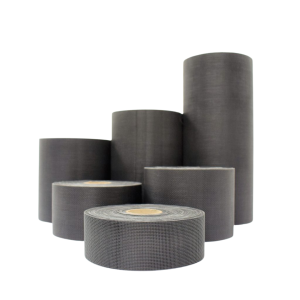
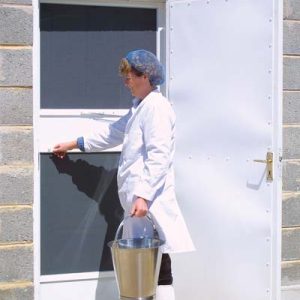
Screens on windows, doors, or greenhouse vents can act as a physical barrier, helping to stop adult crane flies from entering greenhouses, sheds, or indoor plant areas where they might lay eggs.
Reduce the risk of larvae damage:
By limiting adult crane flies from laying eggs in vulnerable areas, you reduce the likelihood of leatherjackets (larvae) feeding on grass roots, seedlings, or other garden plants.
Improve overall garden protection:
Physical barriers also help keep out other flying insects that could harm plants or spread pests and diseases.
❌ However:
Barriers alone will not eliminate an existing crane fly infestation. They cannot prevent:
Leatherjackets already feeding on lawns, turf, or garden plants
Eggs that have already been laid in soil
Adult crane flies that emerge from pupae in the garden
Effective long-term control requires combining barriers with good garden management practices, including:
Regular lawn maintenance, such as aerating and mowing to strengthen grass
Encouraging natural predators like birds, frogs, and beetles
Applying beneficial nematodes to infected soil to target larvae
Avoiding overwatering and reducing bare soil patches that attract egg-laying adults
If you require professional help, head to the British Pest Control Association to find a local pest controller near you.
Explore the range of solutions we have available to help you prevent and manage pest problems effectively. Whether you’re dealing with ants, rodents, or other common household pests, our practical advice and proven treatments can help you protect your home and maintain a cleaner, healthier environment.