

As winter fades and the days slowly lengthen, many UK homeowners start thinking about spring cleaning, opening windows, and letting fresh air back into the home. But while we’re busy shaking off winter, early season insects are already on the move.
Thanks to milder winters and fluctuating temperatures, insects that once stayed dormant until late spring are becoming active much earlier in the year. February and March now regularly see flies, midges, aphids and other overwintering insects emerging in search of warmth, light and food — often indoors.
Understanding which insects appear early, why they enter homes, and how to prevent them is key to staying comfortable as the seasons change.
Early Season Insects in UK Homes
Early season insects are species that survive the winter by hibernating or sheltering in protected environments, including wall cavities, lofts, window frames and sheds. When temperatures rise — even briefly — these insects wake up and begin moving.
Homes provide exactly what they’re looking for:
• Stable warmth
• Artificial light
• Moisture
• Easy access through open windows and doors
This makes residential properties especially attractive during late winter and early spring.
Why Early Season Insects Are Appearing So Soon
Historically, insect activity peaked in late spring and summer. Today, the timeline has shifted.
Several factors are driving earlier insect emergence in the UK:
Milder winters mean fewer prolonged freezing periods, allowing more insects to survive until spring.
Short warm spells in February can trigger insects to wake prematurely, even if colder weather follows.
Urban environments create “heat islands,” keeping temperatures slightly higher around homes than in surrounding areas.
Modern homes are better insulated, providing ideal overwintering conditions for insects seeking shelter.
As a result, early season insects are no longer an occasional nuisance — they’re becoming an annual pattern.
Common Early Season Insects to Watch For
Cluster Flies 
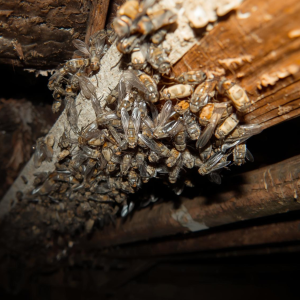
Cluster flies are one of the most common early season insects found in UK homes. Unlike house flies, they do not breed indoors. Instead, they enter buildings in autumn to overwinter in wall cavities and roof spaces.
As temperatures rise in late winter and early spring, cluster flies become active and emerge indoors, often gathering around windows and light sources. While harmless, their sudden appearance in numbers can be a nuisance and is a clear sign that spring insect activity has begun.
Midges

UK midges are small but notoriously irritating. These tiny flying insects tend to emerge early in the year, particularly during mild, damp conditions. Midges are attracted to carbon dioxide, body heat, and light, which makes open windows and doors an easy access point.
Although midges are more commonly associated with summer evenings, early spring activity is increasingly common due to milder winters. Their small size allows them to slip through gaps that larger insects cannot, making preventative measures especially important.
Aphids
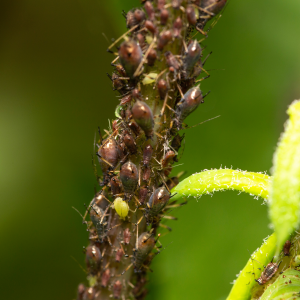
Aphids are primarily an outdoor pest, but they play a key role in early season insect cycles. As temperatures rise, aphids emerge and begin feeding on new plant growth in gardens, greenhouses, and around windowsills. While they rarely cause issues indoors, their presence attracts other insects such as ants, which can then enter homes in search of food.
Aphids are also a strong indicator that spring insect activity is accelerating, even if they are mostly noticed outside rather than inside.
Wasps
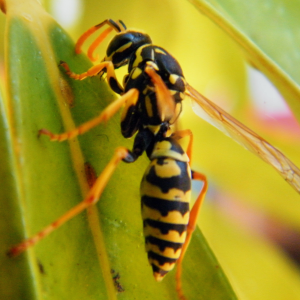
Wasps are not usually associated with early spring, but this is actually when their activity begins. In late winter and early spring, queen wasps emerge from hibernation to search for nesting sites. During this time, they may enter homes through open windows, loft vents, or roof gaps while exploring sheltered areas.
Although wasp numbers are low early in the season, spotting a wasp indoors in spring can be an early warning sign of a nest forming nearby. Addressing access points early can help reduce the likelihood of more serious problems later in the year.
Ants
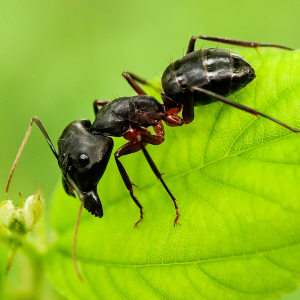
Ant activity increases significantly as temperatures rise. In early spring, ants leave their nests in search of food and begin establishing foraging trails. Kitchens, pantries, and areas where food is stored are particularly attractive.
While ants usually enter through very small cracks rather than open windows, increased ventilation and warmer indoor temperatures can encourage their activity. Ants are often one of the first crawling insects homeowners notice once winter ends, especially during sudden warm spells.
Beetles
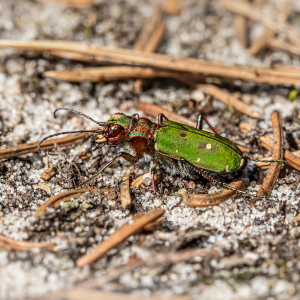
Several beetle species become active in early spring, including carpet beetles and pantry beetles. These insects may overwinter indoors and emerge as temperatures rise, or they may enter homes from outside in search of food sources.
Carpet beetles, in particular, can be damaging if left unnoticed, as their larvae feed on natural fibres such as wool, carpets, and upholstery. Early detection is important, as beetle infestations often develop slowly and are easiest to manage at the start of the season.
Ladybird

Ladybirds are beneficial insects outdoors, feeding on pests like aphids and helping to keep gardens healthy. However, many species commonly overwinter inside buildings, seeking warmth and shelter during the colder months.
During early spring, ladybirds may emerge in large numbers around windows, curtains, and ceilings as they become active again. While harmless to humans, their sudden appearance indoors can be surprising and inconvenient. They can sometimes leave small marks or become trapped in rooms, prompting homeowners to remove them carefully or encourage them back outside.
Woodlice
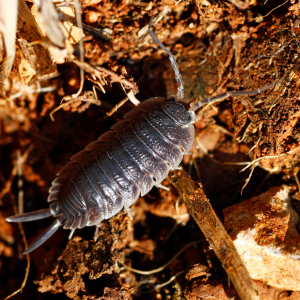
Woodlice thrive in damp, dark conditions and are often driven indoors during late winter and early spring when outdoor environments become unstable. They are commonly found in bathrooms, kitchens, basements, and other areas with higher humidity, where they seek shelter and moisture.
Although woodlice do not infest homes or cause damage, their presence can be a nuisance and often signals excess moisture or dampness in your property. Regularly checking for leaks, improving ventilation, and using flyscreens or door seals can help reduce indoor sightings and maintain a healthier, drier home environment.
Spiders
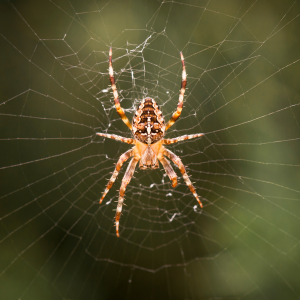
Spiders are active year-round, but early spring often brings increased sightings as they move in search of food. Insect activity indoors naturally attracts predators.
Spiders are beneficial and reduce insect populations, but many people prefer to keep them outside.

How Early Season Insects Enter the Home
Most early season insects don’t arrive by accident. They follow predictable entry points:
• Open windows during mild days
• Doors left ajar for ventilation
• Gaps around window frames
• Air vents and extractor outlets
• Cracks in brickwork or seals
Even very small gaps are enough for insects like midges and aphids to enter unnoticed.
Why Early Prevention Matters
Once insects are inside, they’re harder to manage. Early season insects can:
• Multiply quickly once conditions improve
• Cause repeated disturbances as temperatures fluctuate
• Encourage other insects and predators
• Lead to unnecessary chemical treatments
Preventing entry in late winter and early spring is far more effective than reacting once insects are established indoors.
Preventing Early Season Insects Without Chemicals
Many homeowners reach for sprays or traps when insects appear. While these may offer short-term relief, they don’t address the root cause — access.
The most effective solution is physical prevention.
Flyscreens as a Long-Term Solution
Flyscreens create a discreet barrier that allows fresh air in while keeping insects out. Unlike sprays, they work continuously and require no chemicals.
Modern flyscreens are:
• Fine enough to block midges and aphids
• Durable for year-round use
• Suitable for windows, doors and roof lights
• Unobtrusive and easy to maintain
Installing flyscreens before spring arrives ensures your home is protected as soon as early season insects become active.
Why February Is the Right Time to Prepare
Posting and planning insect prevention in February isn’t early — it’s timely.
By late February:
• Insects are already emerging
• Homeowners begin opening windows
• Searches for insect prevention increase
• Mild spells create sudden infestations
Preparing early avoids the rush and ensures protection is in place before insect activity peaks.
Additional Steps to Reduce Indoor Insects
While flyscreens are the most effective defence, supporting measures help reduce attraction:
• Seal gaps around windows and doors
• Reduce indoor moisture with ventilation
• Keep indoor plants healthy and monitored
• Avoid leaving lights on near open windows at night
Combined, these steps significantly reduce early season insect problems.
Final Thoughts
Early spring is a key moment to stay ahead of insect activity. As temperatures rise, early season insects such as flies, midges, aphids and other overwintering pests begin to emerge and look for warmth indoors. Preventative measures like fitting quality flyscreens, sealing gaps, and improving ventilation can significantly reduce how many insects enter your home in the first place.
However, if you’re already noticing persistent insect problems indoors, it may indicate an established issue that requires professional attention. In these cases, contacting a reputable pest control company can help identify the source of the problem and provide targeted treatment, alongside longer-term prevention. Head to the British Pest Control Association to find a local pest controller near you.
Combining expert pest control advice with physical barriers like flyscreens offers the most effective, balanced approach to protecting your home throughout the spring and beyond.
Frequently Asked Questions
Do insects really appear in UK homes as early as February?
Yes. Many early-season insects overwinter inside walls, lofts, and roof spaces. Mild UK winters can trigger activity even in February.
Which early-season insects should UK homeowners watch for?
Common early-season insects include cluster flies, house flies, ants, wasps, midges, aphids, and ladybirds. Understanding their behaviour helps with early prevention.
Are midges a problem only in summer?
No. Mild and damp February or March conditions can trigger midges to appear. Flyscreens are an effective barrier even before the warmer months.
Can aphids enter homes?
Aphids themselves don’t infest houses but can enter through open windows or via houseplants. Flyscreens prevent accidental entry and help protect indoor plants.
Do flyscreens block small insects like midges?
Yes, if the correct mesh is used. Fine mesh flyscreens are designed to prevent even small insects such as midges while still allowing ventilation and natural light. Some of our screens can be made with our midge mesh - please contact us for more information.
Will flyscreens reduce airflow?
No. Flyscreens maintain fresh air circulation, making them ideal for spring and summer months.
Is spring the best time to install flyscreens?
Yes. Installing in early spring protects your home before insect activity increases, allowing you to enjoy open windows safely.