Field Mice
apodemus sylvaticus
Basic Overview
Field mice (Apodemus sylvaticus), also known as wood mice, are among the most common small rodents in the UK. They are highly adaptable, living in a variety of habitats such as fields, hedgerows, gardens, and woodlands—and they don’t shy away from venturing indoors when food or shelter is scarce.
These nocturnal creatures are primarily active at night, foraging for seeds, fruits, cereals, and occasionally pet food. Despite their small size, they are agile climbers and impressive jumpers, able to scale walls, fences, and even reach lofts in search of warmth. Field mice build nests from shredded plant material, paper, or insulation, often in hidden corners of gardens, sheds, or attics.
Field mice play an important ecological role: they disperse seeds, help control insect populations, and provide a food source for predators such as owls, foxes, and weasels. However, when they enter homes, they can become a nuisance, gnawing on packaging, insulation, and even wires.
Fun Facts:
Field mice can jump up to 45 cm—about six times their body length.
They can squeeze through gaps as small as a pencil’s width.
Their tails help them balance when climbing or leaping.
A single female can give birth to multiple litters per year, making early prevention important.
Identification and Characteristics
Appearance
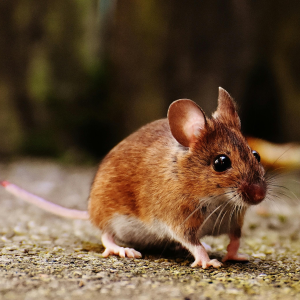
Field mice are small rodents with a slender, agile body covered in soft brownish-grey fur, with a lighter, almost white underside. Adults typically measure 7–10 cm in body length, with a tail of similar length. They have large, rounded ears and prominent black eyes, giving them excellent hearing and night vision. Their small, nimble paws and sharp claws make them skilled climbers and jumpers.
Juvenile field mice are smaller, with softer, paler fur and proportionally larger eyes and ears. Their tiny size and quick movements can make them difficult to spot, especially in cluttered indoor spaces or dense vegetation outdoors.
Behaviour
Field mice are primarily nocturnal and highly active at night. They are omnivorous, feeding on seeds, fruits, cereals, and occasionally pet food or scraps. Field mice are excellent climbers and jumpers, able to scale walls, fences, and even reach lofts or attics in search of shelter and warmth.
Although they can become a nuisance when entering homes, they play an important ecological role in the wild. Field mice help disperse seeds, control insect populations, and provide a food source for predators like owls, foxes, and weasels. They build nests from shredded plant material, paper, or insulation, often in hidden corners of gardens, sheds, or attics.
Life Stages
Field mice have a relatively short but rapid life cycle, allowing populations to grow quickly if conditions are favourable. Understanding their life stages can help with prevention and control.
1. Birth / Juvenile Stage:
Female field mice give birth to litters of 3–8 pups, several times a year, especially during spring and autumn.
Newborns are hairless, blind, and completely dependent on their mother for warmth and food.
Within 2 weeks, they start growing fur and their eyes begin to open.
2. Weaning / Young Mice:
At around 3–4 weeks, juveniles are weaned and begin to explore outside the nest, learning to forage for seeds, fruits, and other food.
Young mice are highly active and agile, quickly developing climbing and jumping skills.
3. Sub-Adult Stage:
By 4–6 weeks, field mice reach sexual maturity, able to reproduce and expand their population.
At this stage, they are independent and may start to establish their own nests in hedgerows, gardens, or human structures.
4. Adult Stage:
Adults typically live up to 12–18 months in the wild, although indoor mice may survive longer if conditions are favourable.
They are primarily nocturnal, highly active at night, and skilled at finding food and shelter.
Adults continue to breed multiple times per year, maintaining the species’ rapid population growth.
5. Senescence / Old Age:
Older mice slow down, become less agile, and are more vulnerable to predators and disease.
They usually die within their first year in the wild, although some may survive longer in safe, sheltered environments.
Impact
Field mice are common small rodents in the UK, found in gardens, hedgerows, fields, and occasionally inside homes. While they can become a nuisance when indoors, they also play a beneficial role in the ecosystem.
Positive Impacts
Seed Dispersal: Field mice help scatter seeds as they forage, supporting plant growth and natural regeneration in gardens, fields, and woodlands.
Food Source for Wildlife: They are an important part of the food chain, serving as prey for owls, foxes, weasels, snakes, and other predators.
Soil Aeration: While digging nests or foraging, field mice help disturb the soil, which can aid aeration and improve soil structure.
Natural Pest Control: By feeding on insects, larvae, and small invertebrates, field mice can contribute to keeping garden pests in check.
Negative Impacts
Damage to Property and Food: Field mice can gnaw on insulation, wiring, wooden structures, and food stored indoors, leading to contamination and damage.
Nuisance Factor: Their nocturnal activity and nesting inside attics, lofts, or sheds can cause unwanted noise, droppings, and unpleasant odours.
Rapid Reproduction: Field mice breed quickly, and even a small number can become a large infestation in a short period, increasing the risk of damage.
Health Concerns: While generally not dangerous, they can carry parasites such as fleas and ticks, and may contaminate food with droppings, which can pose minor hygiene risks.
Removal and Control
If field mice have entered your home, prompt action is key to prevent damage and contamination. The following strategies can help:
1. Trapping:
Use humane or snap traps placed along walls, behind furniture, or near entry points.
Bait with seeds, peanut butter, or cereals.
Check traps daily to ensure humane treatment and effectiveness.
2. Rodenticides (Chemical Control):
Only use chemical baits as a last resort and follow all safety instructions carefully.
Keep away from children, pets, and non-target wildlife.
Professional pest controllers can advise on safe, targeted use.
3. Exclusion & Habitat Management:
Seal all gaps, cracks, and holes in walls, doors, windows, vents, and foundations.
Store food in sealed containers and maintain a tidy kitchen and pantry.
Remove debris, woodpiles, and dense vegetation near buildings that could serve as nesting sites.
4. Professional Removal:
For larger infestations or persistent problems, professional pest control services are the safest and most effective option.
Experts can identify entry points, remove mice safely, and advise on long-term prevention strategies.
Tip: Early intervention is crucial. Field mice reproduce quickly, so a few individuals can become a significant infestation in a short period. Combining prevention, trapping, and habitat management usually provides the best results.
Although field mice are naturally present in gardens, hedgerows, and fields, certain preventive measures can help reduce their presence—particularly during colder months when they may seek shelter indoors.
✅ How They Can Help
Prevent entry to buildings:
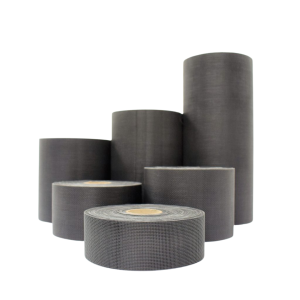
Screens on windows, doors, vents, or loft openings act as a physical barrier, helping stop field mice from entering homes, sheds, or storage areas where they could nest or contaminate food.
Reduce the risk of damage:
By limiting mice from accessing indoor spaces, you reduce the likelihood of gnawed insulation, chewed wires, or contaminated food and stored goods.
Improve overall property protection:
Physical barriers, combined with tidy gardens and secure storage, also help reduce access for other small pests that may carry disease or damage plants and structures.
❌ However:
Barriers alone will not eliminate an existing field mice infestation. They cannot prevent:
Nests or mice already present inside buildings
Mice that may enter through other openings such as vents, gaps in foundations, or doors left open
Rapid population growth, as a few mice can quickly become many
Effective long-term control requires combining barriers with good habitat management, including:
Sealing gaps, holes, and cracks in walls, doors, and windows
Keeping food stored securely in sealed containers
Removing debris, woodpiles, and dense vegetation close to buildings that can serve as nesting sites
Encouraging natural predators such as owls, foxes, and garden snakes
Prompt trapping or professional removal for larger infestations
If you require professional help, head to the British Pest Control Association to find a local pest controller near you.
Explore the range of solutions we have available to help you prevent and manage pest problems effectively. Whether you’re dealing with ants, rodents, or other common household pests, our practical advice and proven treatments can help you protect your home and maintain a cleaner, healthier environment.