Understanding the different insect mesh types can help you choose the right balance of insect protection, airflow and durability. When choosing a flyscreen, it is easy to think all insect mesh works the same way. If it keeps flies out, what else matters?
In reality, different insect meshes are designed for different situations. Some are ideal for everyday home use, while others are better for smaller insects, reducing pollen, commercial settings or pest proofing. The right choice depends on what you want to keep out, where the mesh will be used and how durable it needs to be.
Understanding the different insect mesh types can make it easier to choose the right option for your home, workplace or commercial premises. This guide explains the most common insect mesh types and where they are typically used.
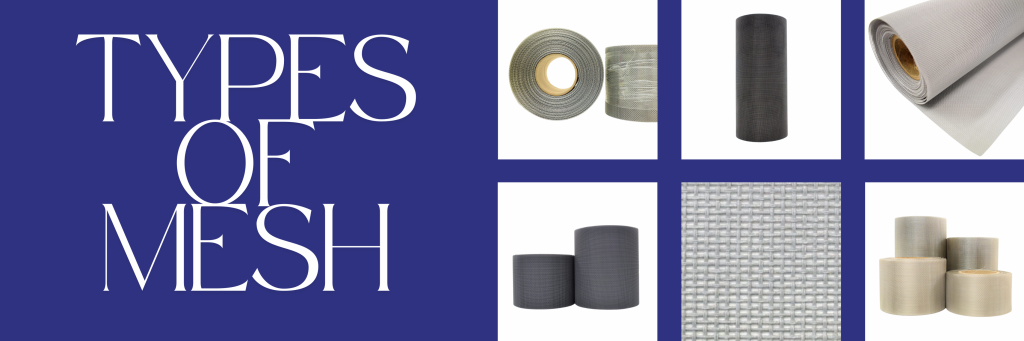
Standard Insect Mesh
Standard insect mesh is the most common choice for general flyscreens. It helps keep out flies, wasps, mosquitoes and other everyday flying insects while still allowing fresh air into the room.
This mesh is commonly used in made-to-measure flyscreens for windows, doors and other openings. It is a practical option for homes, offices, kitchens, cafés and many other settings where insect control is needed in warmer months.
Standard insect mesh is a reliable everyday option if you want to keep insects out without restricting ventilation.
Midge Mesh
Midge mesh is a finer mesh designed to help keep out smaller insects, including midges. It is especially useful in places where midges are common, such as rural areas, locations near water, or parts of the UK where smaller biting insects are more active.
Because midge mesh has smaller gaps than standard insect mesh, it provides better protection against tiny insects. However, finer mesh may slightly affect airflow and visibility.
Midge mesh is worth considering if smaller insects are getting through ordinary flyscreen mesh.
Pollen Mesh
Pollen mesh helps reduce airborne pollen entering through open windows and doors. It can be useful for hay fever sufferers who want fresh air with less pollen indoors.
Pollen mesh does not remove pollen from the home completely, as pollen can still come in on clothing, pets, shoes and other surfaces. However, it can reduce pollen entering through screened openings, making it useful in spring and summer.
Pollen mesh may be especially helpful in bedrooms, living areas or home offices where you want greater comfort while still ventilating the space.
Stainless Steel Mesh
Stainless steel mesh is stronger and more durable than standard insect mesh. It is often used in commercial, industrial and pest control settings where a tougher material is needed.
This mesh suits areas that need extra durability, including food preparation areas, commercial kitchens, warehouses and other environments where hygiene and pest prevention are important.
Stainless steel mesh is also useful where long-lasting performance is needed or where conditions are more demanding than a typical domestic window or door screen.
Rodent and Pest Proofing Mesh
Rodent and pest proofing mesh differs from standard flyscreen mesh. Instead of being used mainly in window and door screens, it helps block gaps, vents, holes and other entry points where pests could enter a building.
This mesh can be useful around pipework, air bricks, cladding gaps, soffits and other small openings. It is often used as part of a wider pest prevention approach to reduce access points for rodents and other pests.
When using pest proofing mesh, choose a material suited to the location, especially where strength, durability and weather exposure are important.
How to Choose Between Different Insect Mesh Types
The best insect mesh depends on the problem you need to solve.
For everyday protection against flies, wasps and mosquitoes, standard insect mesh is usually suitable. If very small insects are the issue, midge mesh may be better. For hay fever sufferers, pollen mesh can help reduce pollen entering through open windows and doors. For commercial or more demanding environments, stainless steel mesh may be more appropriate. For blocking gaps and potential pest entry points, rodent or pest proofing mesh is likely to be the best choice.
It is also worth considering where the screen will be fitted, how often it will be used and whether the area is domestic, commercial or exposed to heavier wear.
For food businesses, GOV.UK guidance states that windows and doors opening to the outside should be fitted with insect-proof screens that can be easily removed for cleaning.
Can Insect Mesh Be Used Around Pets?
Customers sometimes ask whether insect mesh is pet-proof. While some heavier meshes are more durable than standard mesh, we would not usually describe standard flyscreen mesh as pet-proof or pet-resistant.
If pets may scratch, push or lean against a screen, mention this when asking for advice. This helps us recommend the most suitable screen and mesh option for your situation.
Need Help Choosing the Right Mesh?
With several insect mesh types available, the best option is not always obvious. The right choice depends on the insects or pests you want to keep out, where the mesh will be fitted and whether the screen is for domestic or commercial use.
Comparing the available options can help you find the right balance of protection, airflow and durability without relying on a one-size-fits-all solution.
If you are unsure which insect mesh you need, please get in touch. We will be happy to talk through your options and help you find a suitable solution for your home, workplace or commercial premises.
Mesh Related FAQs
What is the best mesh for flies?
Standard insect mesh is usually suitable for everyday protection against flies, wasps and mosquitoes.
What is the best mesh for midges?
Midge mesh has a finer weave and is designed to help keep out smaller insects such as midges.
Does pollen mesh stop all pollen?
No. Pollen mesh can help reduce pollen entering through open windows and doors, but pollen can still come indoors on clothing, pets, shoes and other surfaces.
Is insect mesh pet-proof?
Standard flyscreen mesh would not usually be described as pet-proof. If pets may scratch, push or lean against a screen, it is best to ask for advice before choosing a screen.