Blow Flies

Calliphoridae

Basic Overview

Blow flies, also known as bluebottles or greenbottles, are common scavenger flies found worldwide. They are closely associated with decaying organic matter, particularly animal remains, but they also appear around household rubbish, pet waste, and outdoor food sources. Although they play an important ecological role in decomposition, their presence around homes can be unpleasant and unhygienic.

Identification and Characteristics

Appearance

Blow flies are easily recognised by their:

  • Metallic colouring – typically blue, green, bronze, or purple

  • Robust, stocky bodies

  • Loud buzzing flight

  • Size: usually 8–14 mm, larger than a housefly

  • Red compound eyes

Behaviour
  • Strong fliers attracted to decaying organic matter, rotting meat, dead animals, faeces, and garbage.

  • Quickly appear at carcasses or waste sources, often within minutes.

  • More active in warm weather and commonly enter homes through open doors or windows.

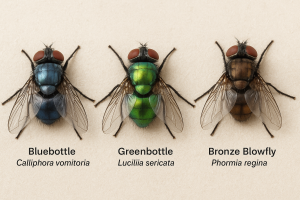
Common Species in the UK 


  • Bluebottle (Calliphora vomitoria)

  • Greenbottle (Lucilia sericata)

  • Bronze Blowfly (Phormia regina)

Blow Fly Species
The most common blow fly species in the UK

Life Stages

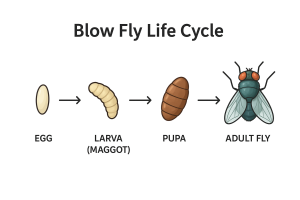
Blow flies undergo complete metamorphosis:

    1. Egg (8–24 hours)

        • White, rice-grain–like eggs laid in clusters on decaying material, faeces, or exposed wounds.

    2. Larva (Maggot) (3–10 days)

      blow flies - life cycle

      • Cream-coloured, legless maggots that feed intensively on organic matter.

      • Pass through three growth stages (instars).

    3. Pupa (1–2 weeks)

  • Maggots leave the food source to pupate in soil or sheltered cracks.

  • Form a brown, capsule-like puparium.

  1. Adult (lifespan: 2–6 weeks)

    • Emerges ready to feed and mate quickly.

    • Females lay eggs within a few days of emergence, continuing the cycle.

Lifecycle speed increases dramatically in warm conditions, allowing rapid population growth.
Impact

Blow flies have both beneficial and problematic impacts depending on their environment. Ecologically, they play a crucial role as decomposers, helping to break down dead animals and recycle nutrients back into the ecosystem. Their larvae are also valuable in forensic science, as their predictable development stages assist investigators in estimating time of death.

However, in household and public health settings, blow flies can be a concern. After feeding on waste or decaying matter, they may spread bacteria by landing on food or surfaces, and large numbers can suddenly appear when there is a nearby carcass or waste source.

Their presence indoors often indicates an underlying issue such as a dead rodent or bird in roof spaces or chimneys, pet waste left outside, or overflowing bins and decomposing food.

Positive Impacts
  • Act as important natural decomposers, breaking down dead animals and organic material.

  • Support nutrient recycling, helping maintain healthy ecosystems.

  • Provide value in forensic science, where their larvae help estimate time of death.

Negative Impacts
  • Can spread bacteria and pathogens after landing on food or surfaces.

  • Cause nuisance outbreaks, especially when a carcass or waste source is nearby.

  • Their presence indoors may indicate underlying issues such as:

    • A dead rodent or bird in lofts, cavities, or chimneys

    • Pet waste left outside

    • Overflowing bins or decomposing food nearby

Removal and Control

1. Find and Remove the Source

Blow flies rarely infest without a food source. Check for:

  • Dead rodents or birds in lofts, wall cavities, outbuildings, chimneys

  • Forgotten food waste

  • Full indoor bins

  • Outdoor bins without tight lids

  • Pet waste in gardens

Removing the source is the only reliable long-term solution.

2. Physical Prevention
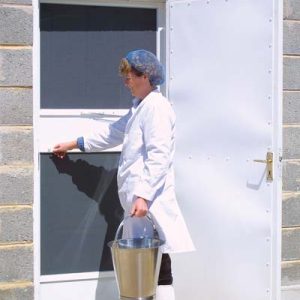
  • Keep windows and doors fitted with flyscreens (especially near kitchens and bins).

  • Use tight-fitting lids on bins and outdoor food/waste containers.

  • Clean up spills, leftovers, and pet waste promptly.

  • Store meat and food waste in sealed bags until disposal.

3. Indoor Control
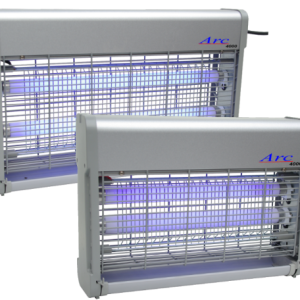
  • Use fly traps, sticky windows traps, or UV fly killers in problem areas.

  • Fly sprays can kill adults temporarily but won’t solve the underlying cause.

4. Outdoor Control
  • Keep bins clean and tightly closed.

  • Remove rotting vegetation or animal waste promptly.

  • Ensure compost heaps are well managed and covered.

5. Professional Intervention

Recommended when:

  • Blowflies repeatedly appear without an obvious source

  • There’s a suspected dead animal in an inaccessible area

  • The property is part of a business where hygiene is critical (restaurants, care facilities, etc.)

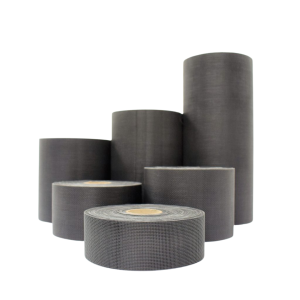
Another useful option for reducing unwanted blow fly activity around your home is to install flyscreens on windows and doors. While these screens are primarily designed to prevent flying insects from entering, they are especially effective against blow flies, which are attracted to food waste, pet areas, and any decaying organic material. Flyscreens act as a reliable physical barrier, stopping adult flies from entering through open windows or gaps while still allowing ventilation. When used alongside good hygiene practices—such as keeping bins sealed, cleaning up spillages, and removing any potential attractants—they contribute to a cleaner, more comfortable, and more hygienic home environment.

How They Can Help

Prevent indoor entry:
Flyscreens stop adult blow flies from entering through open windows or doors, reducing indoor nuisance and contamination risks.

Reduce access to attractants:
Well-fitted screens and mesh can help prevent flies from reaching indoor food sources, waste bins, or pet feeding areas.

Improve hygiene and comfort:
Screens also block other insects and airborne debris, helping maintain a fresher, more hygienic home.


However:

Blow flies are often a symptom of a nearby problem, not the cause. Flyscreens alone will not stop blow fly activity if there is an underlying attractant such as:

  • A dead rodent or bird carcass in lofts, cavities, or chimneys

  • Uncovered bins or decaying food waste

  • Pet faeces or waste left outdoors

  • Dirty drains or unclean food-preparation areas

To fully resolve blow fly issues, it’s important to locate and remove the source. If you suspect a carcass or cannot identify the cause, a pest control professional can help trace and safely eliminate it. Flyscreens are most effective when combined with proper sanitation and prompt waste management.

If you require professional help, head to the British Pest Control Association to find a local pest controller near you.

Explore the range of solutions we have available to help you prevent and manage pest problems effectively. We have a few products detailed below that have been proven to assist with bird problem, but explore our full range here. Whether you’re dealing with ants, rodents, or other common pests, our practical advice and proven treatments can help you protect your home and maintain a cleaner, healthier environment.

Shopping Basket