Flour Moth
plodia interpunctella
Basic Overview
Flour moths, also known as Indian Meal Moths (Plodia interpunctella), are common pantry pests in the UK. Adults are small, winged moths with a distinctive two-tone pattern on their wings, while the larvae are tiny, cream-colored caterpillars that feed on flour, grains, cereals, dried fruits, nuts, and other stored foods. Infestations are most noticeable when you spot silky webs or small larvae in your kitchen cupboards.
Identification and Characteristics
Appearance
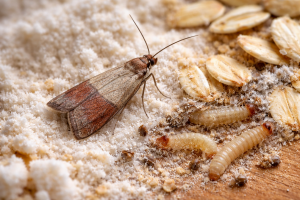
Flour moths (Indian Meal Moths) are small insects, usually measuring 8–10 mm in length, with a wingspan of around 16–20 mm. Adults have a distinctive two-tone wing pattern: the front half of the wings is pale grey or beige, while the outer half is reddish-brown with a coppery sheen. Their bodies are slender and lightweight, allowing them to fly short distances indoors. The larvae are small, cream-colored caterpillars with brown heads, and are often more noticeable than the adults because of the webbing they leave in stored food. Flour moths have long, narrow antennae and delicate, semi-transparent wings that they fold flat over their bodies when at rest.
Behaviour
Flour moths are most active indoors near stored food, particularly flour, cereals, grains, dried fruits, nuts, and pet food. Females lay eggs directly on these food sources, and the larvae hatch to feed, producing silky webbing and tiny droppings. Their life cycle is relatively fast: under ideal conditions, eggs hatch in a few days, and larvae can develop into adults within 4–6 weeks.
While adults primarily fly short distances near infested food, populations can expand quickly if multiple food sources are available. Flour moths are attracted to warmth, darkness, and stored dry goods, which is why infestations are often found in pantries and kitchen cupboards.
Life Stages
Flour moths undergo complete metamorphosis, passing through four distinct stages:
Eggs
Tiny, whitish, and almost invisible to the naked eye
Laid directly on stored food such as flour, grains, cereals, or dried fruit
Hatch within a few days under warm conditions
Larvae (Caterpillars)
Cream-colored with a brown head, approximately 8–10 mm when fully grown
Feed on stored food, leaving silky webbing and droppings
This stage lasts 2–4 weeks depending on temperature and food availability
Pupae
Encased in a silken cocoon, often hidden in corners, crevices, or packaging
Pupation lasts around 1–2 weeks before emerging as adults
Adults (Moths)
Small moths with a wingspan of 16–20 mm, pale grey and reddish-brown patterned wings
Live 1–2 weeks, primarily to mate and lay eggs
Do not feed on stored food but can fly short distances indoors
Impact
Flour moths have a mixed impact on the environment and on human spaces. While often considered pests, they also have minor ecological roles. Problems mainly occur when they infest large numbers, particularly in homes and food storage areas.
Positive Impacts
In natural environments, flour moths play a small role in nutrient recycling.
Their larvae feed on grains, seeds, and other plant material, helping break down stored or fallen organic matter.
While less significant than some other insects, this feeding contributes to nutrient cycling in ecosystems.
Flour moths are also occasionally used in research on pest control, biology, and life cycles, contributing indirectly to scientific knowledge.
Negative Impacts
In homes, commercial kitchens, and food storage areas, flour moths are considered significant pests.
Larvae infest stored foods such as flour, cereals, grains, nuts, dried fruit, and pet food, producing webbing and droppings that contaminate the food.
By spreading through food packages, cupboards, and pantries, they can ruin large quantities of food if not controlled.
Large infestations indicate issues such as improperly sealed food, poor storage practices, or overlooked pantry hygiene.
While flour moths do not bite or sting, their rapid reproduction and persistent larvae make infestations difficult to eradicate once established indoors.
Removal and Control
Dealing with flour moths requires a combination of hygiene, inspection, and physical barriers to prevent infestations from taking hold.
Inspect and Remove Infested Food
Check all stored dry goods, including flour, cereal, grains, nuts, dried fruit, and pet food.
Discard any products showing webbing, larvae, or clumping.
Wipe down cupboards, shelves, and storage containers thoroughly to remove any eggs or larvae.
Store Food Correctly
Use airtight containers made of glass, metal, or thick plastic to prevent moths from accessing food.
Avoid storing bulk dry goods in opened bags or boxes.
Keep pantry areas cool, dry, and well-ventilated.
Use Physical Barriers
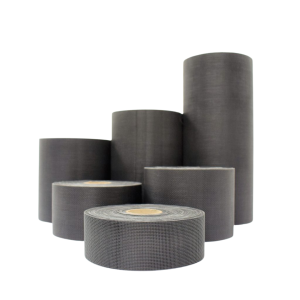
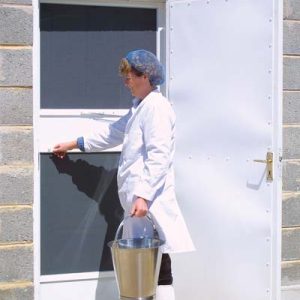
Flyscreens on windows, doors, and vents can help prevent adult moths from entering the home.
Sealed containers and pantry organization reduce the risk of larvae spreading between foods.
Monitor and Maintain
Regularly check cupboards and food stores for signs of infestation.
Vacuum cracks and corners where eggs or pupae may hide.
Sticky traps designed for moths can help monitor adult populations and catch any stragglers.
Professional Help
For large or persistent infestations, professional pest control services may be necessary. They can identify hidden infestations and treat them safely and effectively.
By combining these approaches, you can significantly reduce the presence of flour moths in your home and prevent them from returning.
Although flour moths are naturally present in stored grains and pantry foods—particularly in flour, cereals, dried fruit, nuts, and pet food—certain preventive measures can help reduce their presence indoors, especially in kitchens and food storage areas.
✅ How They Can Help
Prevent entry to buildings:
Flyscreens fitted to windows, doors, and vents act as a physical barrier, helping prevent adult flour moths from entering homes, kitchens, and commercial food preparation areas while still allowing airflow and ventilation.
Reduce contamination risks:
By limiting the number of moths that enter indoor spaces, you reduce the likelihood of larvae infesting stored food and contaminating surfaces, packaging, and pantry areas.
Support overall pest control:
Physical barriers, combined with good hygiene and proper food storage, also help discourage other pantry pests, such as weevils or beetles, from accessing indoor food supplies.
❌ However
Flyscreens and barriers alone will not resolve an existing flour moth problem. They cannot prevent:
Moths that have already entered or emerged indoors
Eggs or larvae breeding in internal food sources such as flour, cereals, or pet food
Increased activity if multiple infested food sources are present
Effective long-term control requires combining physical barriers with good environmental management, including:
Regularly inspecting and sealing stored foods in airtight containers
Discarding infested products and cleaning cupboards thoroughly
Managing pantry hygiene, including cleaning up spills and crumbs
Monitoring for larvae and adult moths with traps or professional pest control when infestations are severe
If you require professional help, head to the British Pest Control Association to find a local pest controller near you.
Explore the range of solutions we have available to help you prevent and manage pest problems effectively. We have a few products detailed below that have been proven to assist with bird problem, but explore our full range here. Whether you’re dealing with ants, rodents, or other common pests, our practical advice and proven treatments can help you protect your home and maintain a cleaner, healthier environment.