
House Mouse
Mus musculus domesticus
Basic Overview
The house mouse (Mus musculus domesticus) is one of the most common rodent species found in UK homes, businesses, and outbuildings. Unlike field mice—which prefer outdoor habitats—house mice are highly adapted to living alongside people, often settling in kitchens, lofts, wall cavities, garages, and storage areas.
These small, fast‑moving rodents are active mainly at night, foraging for food including cereal products, grains, pet food, crumbs, and stored goods. Their agility and climbing ability allow them to access cupboards, worktops, loft beams, pipework, and cavity spaces with ease. They can squeeze through gaps as small as 6 mm, making them difficult to exclude without proper proofing.
House mice build nests using shredded paper, fabric, insulation, and soft materials, usually tucked away in hidden areas such as behind appliances, inside loft insulation, or within storage boxes. Although tiny, they can cause significant issues indoors, including food contamination, gnawing damage, and rapid population growth due to their fast breeding cycle.
Fun Facts
- A house mouse can squeeze through a gap no wider than a pencil.
- They are capable climbers and can run up vertical surfaces, wires, and pipes.
- Their teeth never stop growing — which is why they gnaw constantly.
- A female can produce multiple litters per year, each containing 4–8 young.
- House mice communicate using ultrasonic vocalisations unheard by humans.

Identification and Characteristics
Appearance
House mice are small rodents with a compact, slender body covered in smooth grey or brown fur, with a lighter grey underside. Adults typically measure around 7–10 cm in body length, with a slightly shorter tail. Their ears are proportionally large and rounded, while their black, beady eyes provide excellent low‑light vision.
Their paws are small but dexterous, helping them climb rough surfaces, wires, and furniture. Juvenile house mice appear similar but smaller, with soft grey fur and slightly oversized ears and eyes.
Behaviour
House mice are primarily nocturnal, becoming most active at night when they search for food and nesting materials. They are omnivorous but show a strong preference for grains, seeds, pet food, and accessible household food sources.
They are excellent climbers and can access lofts, wall cavities, and high shelves with ease. Indoors they are known for gnawing on packaging, wood, furnishings, and electrical wiring, sometimes leading to damage or fire risk.
Although often considered pests when inside buildings, they have an ecological role in outdoor environments similar to field mice — dispersing seeds and providing a food source for predators. However, indoors they reproduce rapidly and can quickly establish a persistent infestation if not addressed.
Life Stages
House mice have a fast‑paced life cycle, allowing populations to grow rapidly under favourable indoor conditions.
Gestation
The female’s gestation period is approximately 19–21 days, resulting in several litters each year.Pups (Newborn Stage)
Pups are born hairless and blind. They remain in the nest, relying on the mother for warmth and milk.Juveniles
After around 2–3 weeks, young mice grow fur, open their eyes, and begin exploring outside the nest. They reach independence quickly.Adults
House mice become sexually mature by 6–8 weeks and may live several months in the wild — often longer in warm indoor environments.
Habitats in the UK
House mice thrive wherever people live, particularly in:
- Kitchens (behind units, inside cupboards, under appliances)
- Lofts and attics
- Garages, workshops, and sheds
- Food storage areas and warehouses
- Air brick and cavity wall spaces
Their ability to access tiny gaps means they often travel through pipe runs, ducting, wall voids, and suspended ceilings.
Signs of House Mice Indoors
- Small, dark, spindle‑shaped droppings
- Scratching or scurrying noises at night
- Gnawed packaging, wires, or wooden surfaces
- A musky, unpleasant odour
- Shredded materials forming nests
- Grease marks along skirting boards or entry points
Impact
Positive Impacts
Food Source for Wildlife: House mice are prey for many predators, including owls and other mammals, helping support natural food chains in the UK countryside.
Seed & Plant Material Consumption: Although not as strong seed dispersers as field mice, house mice do forage on seeds and plant materials, contributing in small ways to ecological processes such as soil turnover and plant–animal interactions. (General mouse ecology)
Scientific Importance: Globally, house mice are one of the most important species in biological and medical research, helping scientist understand genetics, disease, and human health.
Negative Impacts
Damage to Property and Wiring
House mice gnaw constantly due to their ever‑growing teeth, damaging:
- Wooden skirting boards, doors, and structural materials
- Electrical wiring, which can cause short circuits and even fires
- Pipes, insulation, and stored belongings in lofts or wall cavities
Food Contamination
They contaminate food and surfaces with urine, droppings, and hair, spreading bacteria such as Salmonella and Listeria. This poses hygiene risks in homes and especially food‑handling environments.
Nuisance in Homes
House mice create noise at night, leave droppings, produce distinctive odours, and build nests in lofts, wall voids, and cupboards, causing distress and disruption indoors.
Rapid Reproduction
House mice breed extremely quickly — females can produce several litters a year, allowing small problems to turn into infestations rapidly.
Health Concerns
They can spread diseases through droppings and urine, and allergens from mouse activity can worsen asthma or trigger allergic reactions.
Removal and Control
If house mice have entered your home, prompt action is key to prevent damage and contamination. The following strategies can help:
1. Trapping:
Use humane or snap traps placed along walls, behind furniture, or near entry points.
Bait with seeds, peanut butter, or cereals.
Check traps daily to ensure humane treatment and effectiveness.
2. Rodenticides (Chemical Control):
Only use chemical baits as a last resort and follow all safety instructions carefully.
Keep away from children, pets, and non-target wildlife.
Professional pest controllers can advise on safe, targeted use.
3. Exclusion & Habitat Management:
Seal all gaps, cracks, and holes in walls, doors, windows, vents, and foundations.
Store food in sealed containers and maintain a tidy kitchen and pantry.
Remove debris, woodpiles, and dense vegetation near buildings that could serve as nesting sites.
4. Professional Removal:
For larger infestations or persistent problems, professional pest control services are the safest and most effective option.
Experts can identify entry points, remove mice safely, and advise on long-term prevention strategies.
Tip: Early intervention is crucial. Field mice reproduce quickly, so a few individuals can become a significant infestation in a short period. Combining prevention, trapping, and habitat management usually provides the best results.
Although house mice are highly adapted to living in and around buildings, they may become more active indoors during colder months or when food sources are readily available. Preventive measures can significantly reduce the likelihood of house mice entering homes, sheds, lofts, or storage areas.
✅ How They Can Help
Prevent entry to buildings
Screens fitted to windows, doors, vents, air bricks, and loft openings provide a physical barrier that helps prevent house mice from entering indoor spaces where they may nest or contaminate food. House mice can squeeze through openings as small as 5–6 mm, so fine‑mesh barriers reduce access points effectively.
Reduce the risk of indoor damage
Limiting access to indoor areas helps prevent common types of house‑mouse damage, including gnawed wiring, insulation, packaging, and wooden structures, which can lead to fire hazards, contamination, and costly repairs.
Improve overall property protection
Physical barriers — combined with good hygiene and clutter reduction — also help deter other small pests. Because house mice can carry bacteria such as Salmonella and Listeria, reducing indoor entry lowers hygiene risks throughout the property.
❌ However:
Barriers alone will not eliminate an existing house‑mouse infestation. They cannot prevent:
Nests or mice already inside the building
House mice commonly nest in lofts, cavity walls, insulation, and behind kitchen units, so existing populations require additional treatment.
Entry via other unprotected openings
Mice may still enter through gaps in foundations, pipe penetrations, broken vents, or doors left open, as they can exploit very small openings.
Rapid population growth
House mice reproduce extremely quickly — a few individuals can become a large infestation in a short period.
If you require professional help, head to the British Pest Control Association to find a local pest controller near you.
Explore the range of solutions we have available to help you prevent and manage pest problems effectively. We have a few products detailed below that have been proven to assist with mice problems, but explore our full range here. Whether you’re dealing with ants, rodents, or other common pests, our practical advice and proven treatments can help you protect your home and maintain a cleaner, healthier environment.
-
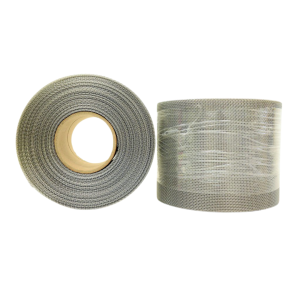
Stainless Steel – Rodent Mesh
£85.00 – £110.00Price range: £85.00 through £110.00 -
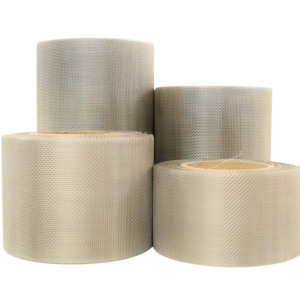
Stainless Steel – 304 Grade
£35.00 – £274.50Price range: £35.00 through £274.50 -
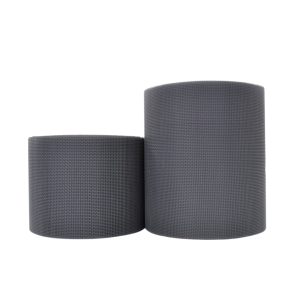
Aluminium Insect Mesh
£45.00 – £249.80Price range: £45.00 through £249.80