
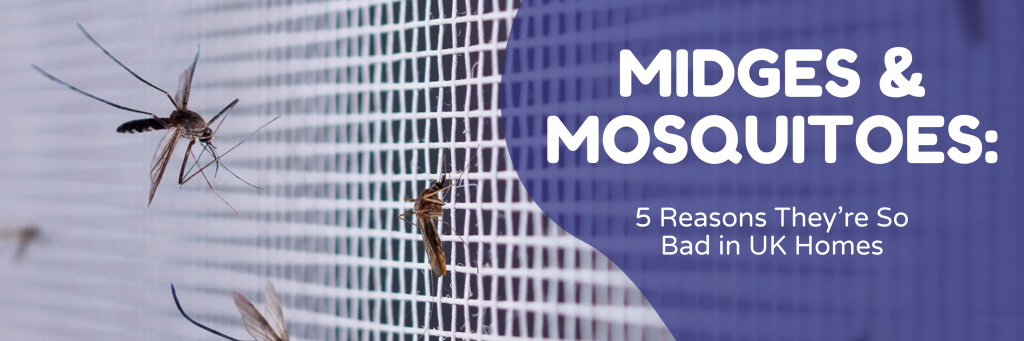
As summer arrives in the UK, so does a familiar frustration — midges & mosquitoes making their way into our homes. These summer insects are among the most common biting insects in the UK, turning warm evenings into a nuisance with constant buzzing and itchy bites. Whether it’s disturbed sleep or irritation during the day, they can quickly become a problem indoors.
1. Warm Weather Speeds Up Breeding
Midges & mosquitoes thrive in warm, humid conditions — making UK summers ideal for rapid population growth. As temperatures rise, their life cycles speed up, allowing populations to increase quickly over a short period of time.
Mosquitoes, in particular, rely on stagnant water to breed. Even small amounts — such as plant pot trays, blocked gutters, or buckets left outside — can support hundreds of larvae within days in warm weather.
Midges favour damp environments with vegetation or nearby water, and activity often increases after rainfall. This is why warm, damp conditions in the UK can lead to sudden spikes in both midge and mosquito populations during summer.
For a deeper look into these insects, check out the British Pest Control Association directory here.


2. Open Windows Let Them Straight In
In warmer weather, keeping windows and doors open is often the only way to stay comfortable.
Unfortunately, this also creates an open invitation for midges & mosquitoes to enter your home — especially during the evening when they are most active. With no barrier in place, these tiny insects can quickly find their way inside, often going unnoticed until they become a problem. Once indoors, they tend to linger around lights, walls, and soft furnishings, making them harder to spot and remove.
Because they are so small and quiet, you may not realise they’ve entered until you start noticing bites or irritation. By that point, they can already be settled inside, making prevention far more effective than trying to deal with them afterwards.
3. They’re Most Active When You’re Trying to Relax
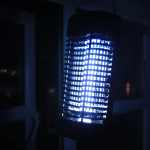
Both midges & mosquitoes are most active at dawn and dusk — exactly when you’re winding down, relaxing, or heading to bed.
Mosquitoes are drawn to body heat and carbon dioxide, while midges tend to swarm in still evening air. This makes evenings particularly challenging, as opening windows for fresh air often coincides with peak activity. Once inside, they can be difficult to track down — often leaving you with bites before you even notice them.
Their small size and quiet movement mean they can easily go undetected, especially in low light, making them frustrating to deal with once they’re indoors.
4. Standard Mesh Isn’t Always Enough
Not all insect screens are created equal.
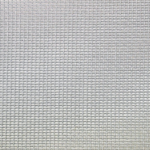
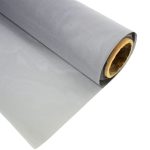
While standard mesh can help reduce larger insects, midges are extremely small and may still pass through if the mesh isn’t fine enough. This is why homes in midge-prone areas often benefit from a tighter weave, such as our midge mesh, to improve effectiveness.
A finer mesh helps reduce the number of insects entering while still allowing airflow, so you don’t have to compromise on ventilation. Choosing the right type of mesh for your environment can make a noticeable difference, particularly during peak summer months when activity is at its highest.
This is why homes in midge-prone areas often need a tighter weave to improve effectiveness, such as our midge mesh.
5. They’re Harder to Control Once Inside
Once midges & mosquitoes get indoors, they’re surprisingly difficult to deal with.
- They hide in corners, curtains, and ceilings
- They’re most active when lights are off
- Sprays and repellents are only temporary fixes
By the time you notice them, they’ve often already become a problem.
How to Reduce Midges & Mosquitoes in Your Home
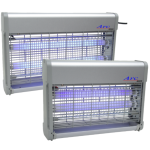
While you can’t completely eliminate midges & mosquitoes outdoors, you can reduce how many make it inside your home.
Simple steps that help:
- Remove standing water around your property
- Be mindful of open windows at dusk
- Use softer indoor lighting in the evenings
A more effective long-term solution:
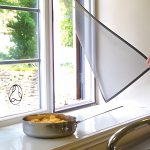
Flyscreens act as a physical barrier, allowing you to keep windows and doors open while reducing the number of insects entering your home.
For areas where midges are common, choosing a finer mesh can make a noticeable difference.
Final Thoughts
Midges & mosquitoes may be small, but they can have a big impact on your comfort at home during summer.
Understanding why they’re so bad in UK homes is the first step to reducing the problem. With a few simple changes — and the right preventative measures — you can enjoy fresh air without the constant irritation of bites and buzzing.
Taking a proactive approach, especially during peak summer months, can make all the difference in keeping your home more comfortable. By reducing how easily these insects can get indoors, you can create a more enjoyable living space without having to rely on temporary fixes.
FAQs
Are midges and mosquitoes common in UK homes?
Yes — both are active across the UK during warmer months, particularly from late spring through to early autumn.
Why do I only notice them at night?
They are most active during the evening and are attracted to indoor lighting, heat, and carbon dioxide.
Do flyscreens stop midges completely?
They significantly reduce the number entering your home, especially with fine mesh, but very small insects may still occasionally get through.
When are they at their worst?
Typically between June and August, especially after periods of warm, damp weather. During these peak months, using a finer mesh can make a noticeable difference in reducing how many get indoors — you can check out our midge mesh specifications here to see what’s recommended.
Where are midges and mosquitoes most common in the UK?
Midges are especially common in rural and coastal areas, particularly in Scotland and parts of northern England where there is more standing water and vegetation. Mosquitoes are found across the UK but tend to be more noticeable near wetlands, gardens, and areas with stagnant water such as ponds, drains, and water butts.