Bees
Apidae
Basic Overview
Bees are among the most important and recognisable insects in the UK. They belong to the order Hymenoptera and play a vital role in pollinating flowers, fruits, and crops — helping to sustain both natural ecosystems and our food supply.
There are around 270 species in the UK, grouped into three main types: honey bees, bumblebees and solitary bees.
Identification and Characteristics
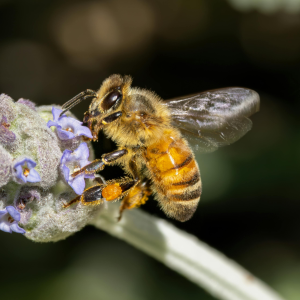
Bees are easily recognised by their fuzzy bodies, jointed antennae, and two pairs of transparent wings. Most have black and yellow (or orange) banding, though colours vary between species.
-
Size: Ranges from 5 mm (solitary bees) up to 25 mm (bumblebees).
-
Distinct features: Hairy legs for collecting pollen; robust, rounded bodies; often gentle behaviour unless threatened.
-
Habitat: Gardens, meadows, hedgerows, wall cavities, roofs, compost heaps, and specially designed bee hotels.
-
Diet: Nectar and pollen from flowering plants.
Life Stages
Bees undergo complete metamorphosis — egg → larva → pupa → adult.
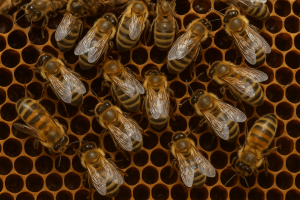
Honey bees: Live in large colonies with a queen, workers, and drones; remain active throughout the year when kept in hives. Workers live 1-6 weeks, whereas queens can live up to 5 years.
Bumblebees: Form smaller colonies (50–400 bees) that die out each autumn, with new queens overwintering.
Solitary bees: Nest individually in holes or soil; each female creates her own nest cells with stored pollen.
Activity period: Spring through late summer; most active on warm, sunny days.
Impact

Bees play a crucial role in the United Kingdom’s environment and economy. They are responsible for pollinating around 70% of the country’s main food crops, including fruits, vegetables, and oilseed rape,
which supports both agriculture and natural ecosystems. Their pollination activity also maintains wildflower diversity, benefiting birds, mammals, and other insects.
Economically, their pollination contributes an estimated £600 million a year to UK farming, while honey and beeswax production support local beekeeping industries.
However, they can occasionally have negative effects in human environments — their stings can cause pain or allergic reactions, and honeybees sometimes nest in chimneys or wall cavities, creating a nuisance. Despite these issues, the overall impact of these insects in the UK is overwhelmingly positive, as they are vital to food production, biodiversity, and ecological health.
| Positive Impacts | Negative Impacts (in Human Environments) |
|---|---|
| Pollination: Vital for crops and wild plants | Stings: Painful; can cause allergic reactions or anaphylaxis in sensitive individuals |
| Honey production: Important agricultural industry | Nesting in buildings: Honeybees may colonize wall cavities or chimneys |
| Biodiversity: Support ecosystems and maintain ecological balance | Wood damage: Carpenter bees can bore into timber |
How to deal with Bees
Prevention
If you find yourself with a bee problem, here are a few actions you can take before any treatments.
- Seal potential nest sites – close holes, gaps in walls, roof spaces, shed, etc.
- Avoid strong scents: Perfumes and floral patterns attract bees.
- Keep food/drinks covered: Especially sugary items outdoors.
- Maintain garden plants: Encourage bees in safe, away-from-doorway areas if desired.
Removal and Control
Due to their ecological importance, this insect is protected in many regions so do not use insecticides on them. The best option is to contact a beekeeper or pest control professional if a nest is in or near a building. Honeybee colonies can often be safely relocated. Only block entry points after all them are gone, otherwise you’ll simply trap them, causing decay & unwanted odours.
If they aren’t posing a direct threat, it’s best to leave nests alone if located in quiet garden corners. To help control them, you can plant bee-friendly flowers such as lavender, borage, clover and more. A lot of local garden centres now have a bee-friendly symbol on the label to help!
How to treat stings
Remove the stinger quickly (scrape sideways with a fingernail or card, don’t squeeze).
Wash area with soap and water.
Apply cold compress for swelling.
Take antihistamines or pain relief if needed.
Seek medical help immediately if:
Difficulty breathing/swallowing
Widespread hives
Dizziness or swelling of face/throat (possible anaphylaxis)
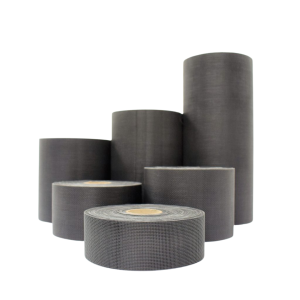
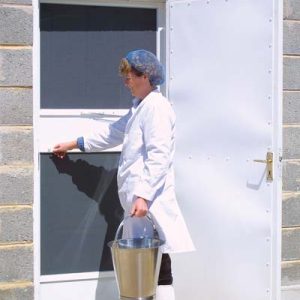
Another option is to fit flyscreens to your windows and doors. Although they’re mainly designed to keep out flying insects like flies and wasps, they can also help reduce the chances of bees accidentally entering indoors. Flyscreens act as an extra barrier, making it harder for unwanted insects to wander in through open windows or small gaps around the frames. When combined with other simple measures—such as keeping windows closed near flowering plants, sealing gaps, and avoiding strong floral scents indoors—they can make a noticeable difference in preventing bees from entering living spaces.
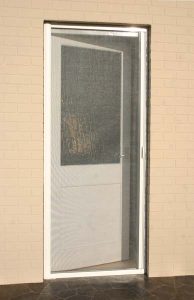
✅ How they can help:
Prevent accidental entry: Flyscreens stop bees that may be attracted by indoor light or scents from flying in through open windows or doors.
Limit nesting access: A tight, well-fitted screen can discourage bees from exploring cavities or roof spaces for potential nest sites.
Hygiene and comfort: Flyscreens also keep out other pests (flies, wasps, mosquitoes), helping maintain a comfortable, pest-free home environment.
❌ However:
Bees are generally not indoor pests, and when they do enter, it’s usually by mistake. Flyscreens won’t prevent nesting if bees establish colonies in chimneys, roof spaces, or wall cavities. They can also still gain access through:
Gaps in brickwork or vents
Unsealed eaves or soffits
Cracks around roof tiles
Uncapped chimneys
If bees are nesting nearby, it’s best to contact a local beekeeper or pest professional for safe relocation rather than attempting to block or remove them yourself.
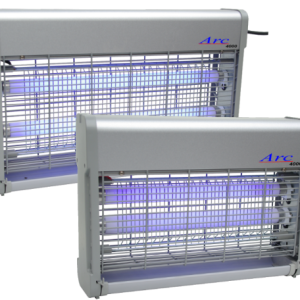
If you require professional help, head to the British Pest Control Association to find a local pest controller near you.
Explore the range of solutions we have available to help you prevent and manage pest problems effectively. Whether you’re dealing with ants, rodents, or other common household pests, our practical advice and proven treatments can help you protect your home and maintain a cleaner, healthier environment.