The perfect flyscreen for your home depends on factors like style, material and how each option fits your doors and windows. As the days grow longer and temperatures begin to rise, March is the perfect time to prepare your home for the warmer months ahead. Opening windows to let in fresh air is one of the simple pleasures of spring — but it often comes with unwanted guests in the form of flies, midges, and other insects.
Why Install a Flyscreen?
Flyscreens offer several benefits beyond keeping insects out:
Improved airflow without pests
Reduced reliance on chemical sprays
Added privacy (with certain mesh types)
Protection from leaves and airborne debris
Pet and child safety with reinforced options
They are a simple, long-term solution that enhances everyday comfort. Knowing what makes the perfect flyscreen for your home ensures you invest in a durable, long‑lasting solution.
How to Choose the Perfect Flyscreen for Your Home
Consider the Type of Opening
The first step in choosing the perfect flyscreen is understanding the window or door it will be fitted to. Every property is different, so the perfect flyscreen for your home should be tailored to your lifestyle and daily use.
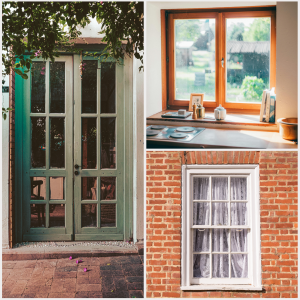
Casement Windows
These side-hinged windows are common in UK homes. Fixed frame or hinged flyscreens work particularly well here, providing a neat, secure fit.
Sash Windows
Up-and-down sliding sash windows often require bespoke solutions. Slim-profile or removable screens are usually the most practical choice.
Bi-Fold or Patio Doors
For larger openings, retractable or sliding flyscreens are ideal. They allow easy access while maintaining a seamless look when not in use.
Matching the flyscreen design to your window or door type ensures both functionality and ease of use.
Choose the Right Mesh
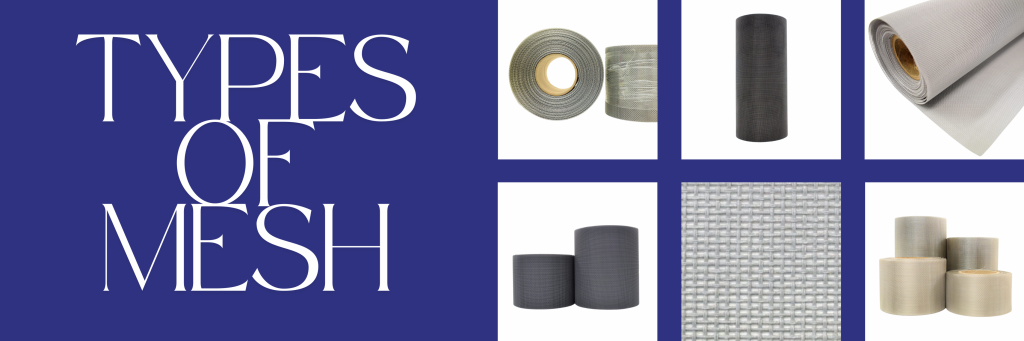
Not all mesh is the same. When comparing aluminium, fibreglass, or premium mesh options, it becomes easier to identify the perfect flyscreen for your home.
Standard Fibreglass Mesh – A cost-effective and durable option suitable for most homes. We use this as standard on all of our screens and you can read more about it here.
Fine Midge Mesh – Ideal for rural or waterside properties where smaller insects are common. You can find out more information here.
Pollen-Reducing Mesh – A helpful choice for allergy sufferers, filtering out a significant amount of airborne pollen. We call this Suntex mesh as shown here.
Selecting the right mesh improves performance and ensures the screen works effectively for your environment. Please note that only a few of our screens can be made with mesh other than our standard fibreglass mesh.
Different Types of Screens
Fixed Screens
This screen type is best for windows that are regularly left open to allow constant ventilation, or for inward‑opening windows where other screen types may not be suitable. Once installed, they stay firmly in place, providing long‑lasting protection from insects while still allowing fresh air to circulate freely. With their durable frame and tightly-fitted mesh, fixed screens offer a clean, unobtrusive look and a dependable barrier you can rely on all year round.
Hinged Screens
Ideal for windows that are frequently used, offering easy access when needed while still providing reliable, long‑term protection from insects. The hinged design allows the screen to swing open smoothly for cleaning or for reaching window handles, without removing the frame. Once closed, the screen sits firmly in place thanks to robust hinges and secure magnetic or latch closures. With their durable aluminium construction and neat, unobtrusive appearance, hinged screens offer a practical and elegant option for everyday ventilation without compromising on comfort or convenience. We offer this for both domestic, light office use and commercial.
Roller Screens
Also known as sliding or retractable screens, these systems glide smoothly into place and can be effortlessly rolled away when not in use. The mesh retracts neatly into a discreet cassette, keeping it protected from dust and damage while maintaining a clean, uncluttered appearance around your window or door frame. This makes them particularly well‑suited to larger openings, patio doors, French doors, or wide windows where other screen types may not be practical.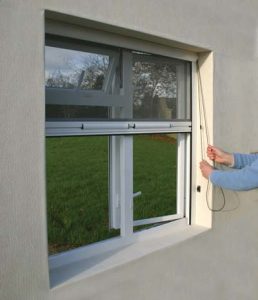
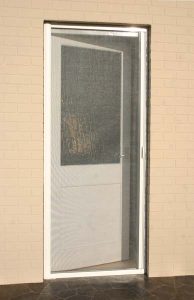
We offer two high‑performance options to suit different needs:
- S700 Roller Window Screen – A sleek and reliable system ideal for everyday domestic use, providing smooth operation and durable protection.
- Wind‑Resistant Roller Screen – Engineered for exposed locations or breezy environments, this enhanced version features reinforced components designed to keep the screen stable and secure, even in windy conditions. This screen can be used for both windows and doors.
Both ranges deliver flexible, low‑maintenance insect protection without compromising airflow, visibility, or aesthetics.
Sliding Screens
These sliding screens feature two or three independently gliding panels that move smoothly from side to side, allowing flexible access and excellent airflow while maintaining effective insect protection. Their sturdy construction and streamlined design make them particularly well suited to busy areas where durability and ease of operation are essential.

Because they cover larger widths with ease, sliding screens are an ideal choice for doors, patio entrances, service hatches, and wide window openings commonly found in commercial buildings. The multi‑panel design allows the screens to overlap neatly, creating a secure barrier when closed and providing generous access when opened. This makes them perfect for high‑traffic spaces such as restaurants, cafés, warehouses, offices, and other commercial properties where practical and long‑lasting insect control is needed. They are also easy to clean, which is vital for EHO.
Your choice will depend on how often the opening is used and whether you prefer a screen that is visible at all times.
Measure Carefully
For accuracy, we recommend you measure the width of the opening in three places—top, middle and bottom. Repeat this for the height—left, centre and right. Use the smallest width and height measurements.
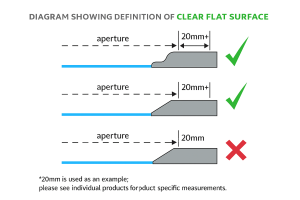
All made‑to‑measure screens are manufactured to the exact finished sizes you supply. These should be the maximum outer screen dimensions required. Your measurements must include both the aperture size and the additional clear, flat surface needed for the flyscreen frame to sit against.
The aperture should be measured to the inner edge of the flat surface where the screen will be fixed. For face‑fitted screens, remember to include any bevelled frame edges within the aperture measurement.
The amount of clear flat surface required depends on the width of the flyscreen frame. In the example diagram, 20mm is used, but please refer to each product page for specific frame dimensions.
We manufacture strictly to the measurements you provide—nothing is added or deducted. Do not include space for hinges or catches in your measurements, but ensure you have allowed room for them as shown in the individual product instructions.
If you need a size larger than the maximum listed for a product, please contact us and we will recommend the most suitable screen option.
Please note that made‑to‑measure screens cannot be altered once fabricated, and refunds cannot be given for incorrect measurements. Always follow the product‑specific measuring instructions carefully, and if you are unsure, please ask us for advice.
Prepare Now for Warmer Days
March is an ideal time to install flyscreens, as it allows you to get ahead of the seasonal rise in insect activity. By organising your screens early, you can make the most of the warmer, brighter days without the inconvenience of flies, mosquitos, or other pests entering your home. It also means you’ll be ready to enjoy fresh spring air the moment the weather improves, without having to rush installation during the busier summer months.
Preparing in advance can also give you more flexibility when choosing styles, colours, and screen types, as stock availability is generally higher before peak season. Whether you’re upgrading existing screens or fitting them for the first time, planning ahead ensures a smoother, stress‑free experience.
If you’re unsure which screen system is best suited to your property—whether that’s a retractable option, a hinged door screen, or a fixed window solution—seeking professional advice can make the decision much easier. An expert can assess your window and door types, consider how you use your space, and recommend a tailored solution that balances practicality, durability, and appearance. This ensures you invest in screens that truly meet your needs and enhance your home for years to come.